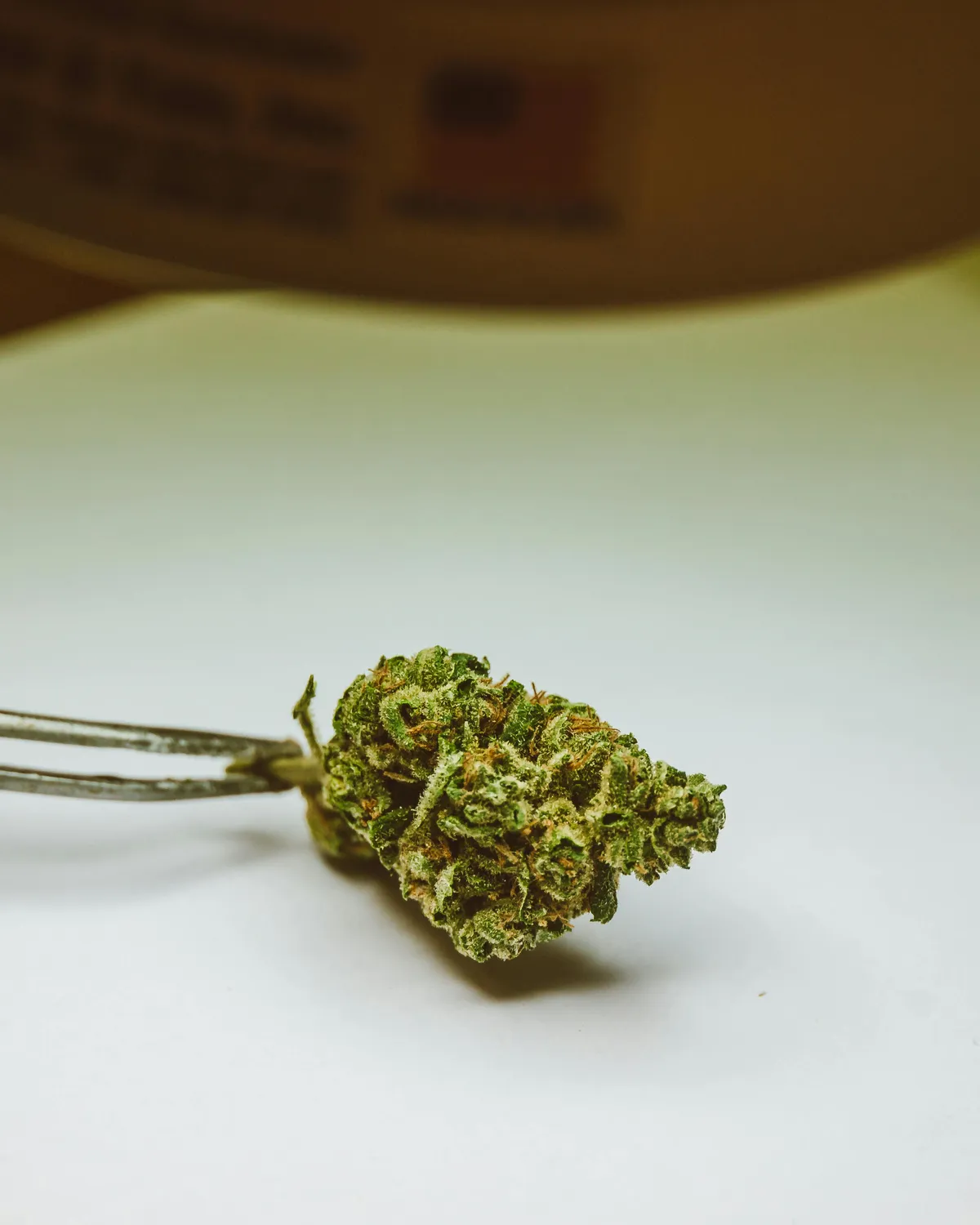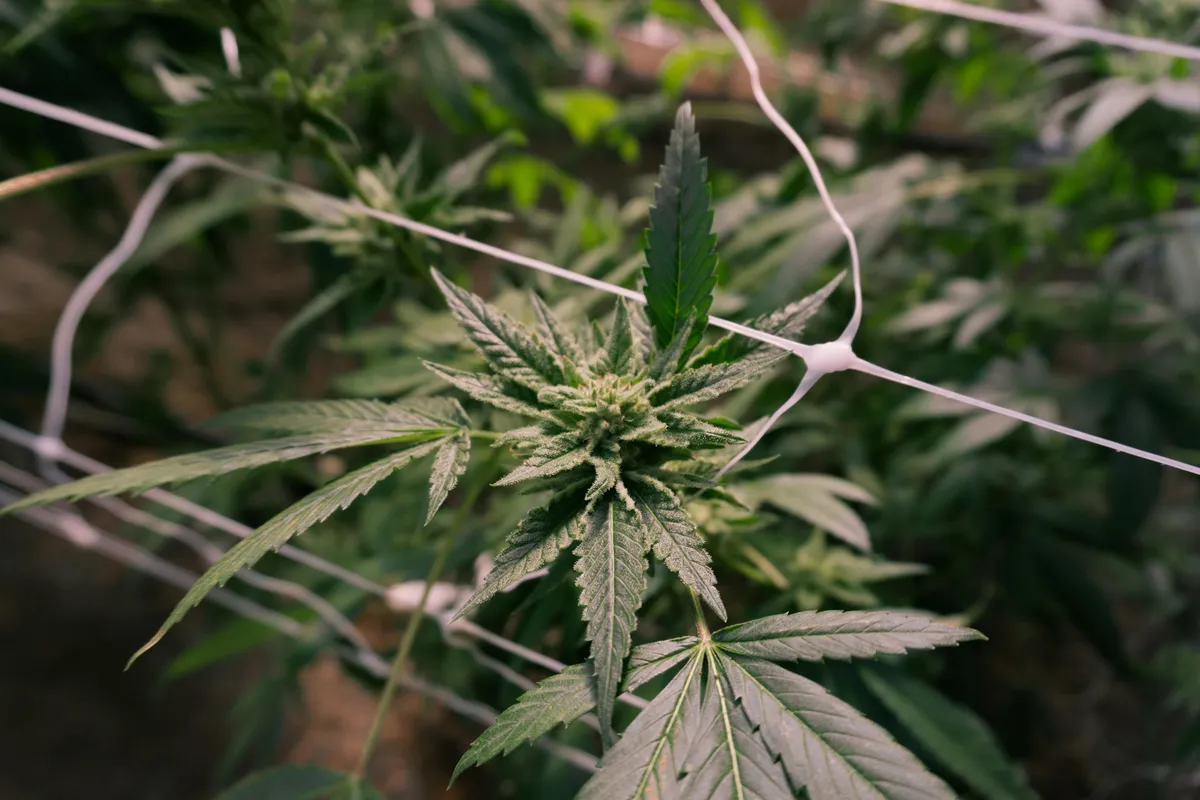

The US Drug Enforcement Administration (DEA) formally opened administrative hearings on 10 March 2026 to consider the landmark proposal to move cannabis from Schedule I to Schedule III of the Controlled Substances Act. The hearings, presided over by DEA Administrative Law Judge Mary Ellen O'Leary, mark the culmination of a process initiated by the Biden administration in 2024 and represent the most significant federal review of cannabis policy in half a century.
Key Testimony from HHS and DEA Officials
On the first day of proceedings, Dr. Rachel Harrington, Deputy Assistant Secretary for Health at the Department of Health and Human Services (HHS), testified that the agency's scientific review had concluded cannabis has 'a currently accepted medical use in the United States' and a lower abuse potential than Schedule I or II drugs. 'Our analysis of available clinical data, epidemiological studies, and state-level programmes demonstrates that cannabis does not meet the high threshold for placement in Schedule I,' Dr. Harrington told the panel. However, DEA Chief of Policy Michael Torres countered that the agency remains concerned about public health risks, citing rising rates of cannabis-related emergency department visits among young adults. 'Schedule III would relax controls that exist for a reason,' Torres argued, emphasising that the DEA's own data shows increased potency and addiction risks.
Legal Challenges and Industry Stakes
The hearings have drawn intense interest from both supporters and opponents. A coalition of 17 state attorneys general filed an amicus brief urging the DEA to adopt Schedule III, arguing it would align federal law with state medical programmes. Conversely, the anti-legalisation group Smart Approaches to Marijuana (SAM) has petitioned the US Court of Appeals for the District of Columbia Circuit to halt the proceedings, claiming the HHS review failed to properly consider evidence of harm. Should the rescheduling go ahead, cannabis businesses would no longer face the punitive Internal Revenue Code Section 280E tax penalty, which currently prohibits deductions for expenses related to trafficking Schedule I or II substances. Industry analysts estimate this could save legal operators billions annually. Additionally, Schedule III would remove certain research barriers—universities and pharmaceutical companies could apply for standard DEA licences rather than the onerous Schedule I researcher registration.
What Schedule III Means for Research and Industry
Under Schedule III, cannabis would be legally recognised as having moderate to low potential for dependence, alongside substances such as ketamine and anabolic steroids. For researchers, this would mean simplified clinical trial protocols and the ability to use commercial pharmacy supply chains. Dr. James Whitaker, director of the University of Colorado's Centre for Cannabinoid Research, told the hearing that current Schedule I status has 'stifred innovation for decades'. 'We have preliminary data on cannabis for chronic pain and PTSD that we cannot fully investigate because of federal restrictions,' he said. The industry would also gain access to conventional banking services and interstate commerce opportunities, though the DEA would still require strict record-keeping and manufacturing security. A final decision from Judge O'Leary is expected by late June 2026, with the DEA administrator having the final say. Legal experts predict any outcome will face immediate court challenges, potentially delaying implementation until 2027.