Delaware officially launched its adult-use cannabis market on 15 April 2026, with the first licensed retailers opening their doors to customers across the state. The milestone makes Delaware the 25th state in the USA to permit regulated, legal sales of cannabis for recreational purposes, marking a significant expansion of the industry along the Eastern Seaboard.
The roll-out began at 10:00 AM at three dispensaries in Wilmington, Dover, and Newark, each selected through a competitive licensing process overseen by the Delaware Cannabis Control Commission (DCCC). Governor Bethany Hall-Long, who signed the enabling legislation—House Bill 370—in May 2025, called the launch “a carefully managed step toward a safer, more equitable cannabis market.” Speaking at a press conference at the Wilmington site, she noted that the state had prioritised public safety and responsible regulation above all else.
A Cautious Roll-Out and Licensing Framework
The DCCC issued a total of 15 licences for the first phase of adult-use sales, comprising eight retail licences, five cultivation permits, and two manufacturing licences. Of those, three retailers were operational on launch day; the remaining five are expected to open by July 2026. The commission’s chair, Dr. Elaine Marchetti, explained that the staggered approach was designed to “allow for rigorous compliance checks and to ensure that supply chains are robust before scaling up.”
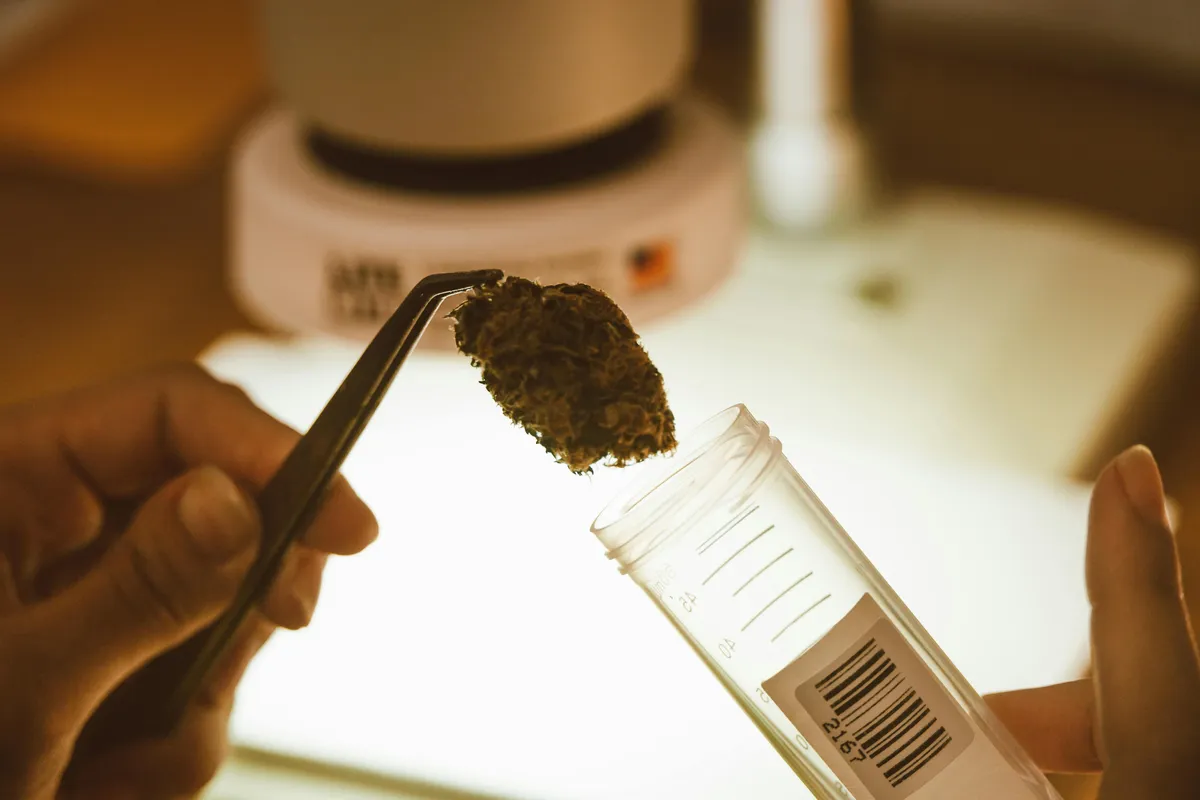
Existing medical cannabis dispensaries were permitted to apply for dual licences, and two of the three opening retailers—First State Wellness in Wilmington and Brandywine Botanicals in Dover—previously served only patients. A third, The Green Anchor in Newark, is a new entrant founded by a coalition of local farmers and entrepreneurs. All products on sale are subject to mandatory testing for potency and contaminants at state-certified laboratories, with results published on the DCCC website.
Tax Revenue Projections and Social Equity Provisions
State economists project that adult-use cannabis sales will generate between $18 million and $24 million in tax revenue during the 2027 fiscal year. Under HB 370, a 15% excise tax is applied at the point of sale, with an additional 2% local option tax available to municipalities that choose to opt in. Revenue is earmarked for three primary funds: 40% for substance misuse treatment and education programmes, 35% for public health initiatives, and 25% for the state’s general fund.
Social equity remains a central pillar of Delaware’s approach. The DCCC’s Social Equity Council, established in December 2025, has overseen a licensing programme that reserves 30% of all retail and cultivation licences for applicants from communities disproportionately affected by previous cannabis prohibition. These applicants receive reduced fees, technical assistance, and priority processing. To date, four of the 15 licences issued have gone to social equity applicants, including The Green Anchor, which is majority-owned by a collective of Black and Latino entrepreneurs from Wilmington’s Riverside neighbourhood.
“This isn’t just about business—it’s about repairing harm,” said Council chair Marcus Williams. “We’re still in the early stages, but the interest has been overwhelming, and we are committed to ensuring that those who were locked out of the past are centred in the future.”
Consumer response on launch day was enthusiastic, with queues forming outside the Wilmington dispensary by 9:00 AM. Purchases are limited to one ounce of flower or its equivalent per transaction, and sales to anyone under 21 remain strictly prohibited. Law enforcement reported no major incidents during the first day of legal sales, though the Delaware State Police confirmed that they would maintain a visible presence around dispensaries for the opening weeks.
With Delaware now operational, advocates are turning their attention to neighbouring states. Maryland and New Jersey already have active markets, and Pennsylvania continues to debate legalisation. For Delawareans, however, 15 April 2026 will be remembered as the day the First State finally joined the green rush.